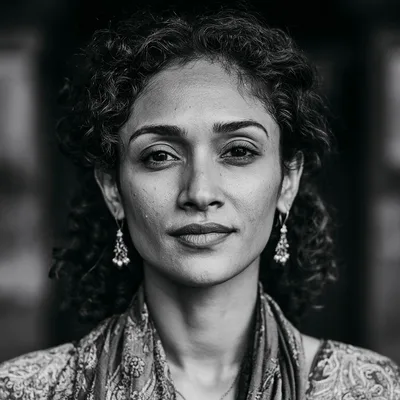

Clarissa Mansbridge, a former entertainment industry professional, now earns $6,000 a month through AI influencer work. She created Mia Metaverse, an AI influencer with a 'humbly wealthy, wholesome' persona. Her business model relies on brand collaborations and bespoke AI influencer design for companies, many of which require her to sign NDAs. Despite this being her most profitable year, Mansbridge and other AI creators worry that new regulations may disrupt their business model.
Since the emergence of generative AI and text-to-image tools in 2022, creators have built lucrative accounts around virtual personalities that are more affordable, scalable, and brand-safe. The virtual influencer market is estimated to be worth $14.5 billion and is projected to reach $110.4 billion by 2033, with a reported 33.6 percent annual growth rate. Brands are increasingly investing in AI-generated content, with 79 percent of marketers increasing their investment, according to research by the social agency Billion Dollar Boy.
Regulatory changes are now challenging this industry. The EU Artificial Intelligence Act, effective August 2, requires AI-generated or -manipulated promotional content to be clearly labeled. Platforms like TikTok are also tightening detection systems to elevate human creators over synthetic spam. AI creators fear a regulatory maze with no clear roadmap, as the EU AI Act is the first comprehensive legal framework on AI, aiming to foster trustworthy AI in Europe.
Source: wired


