
What changed
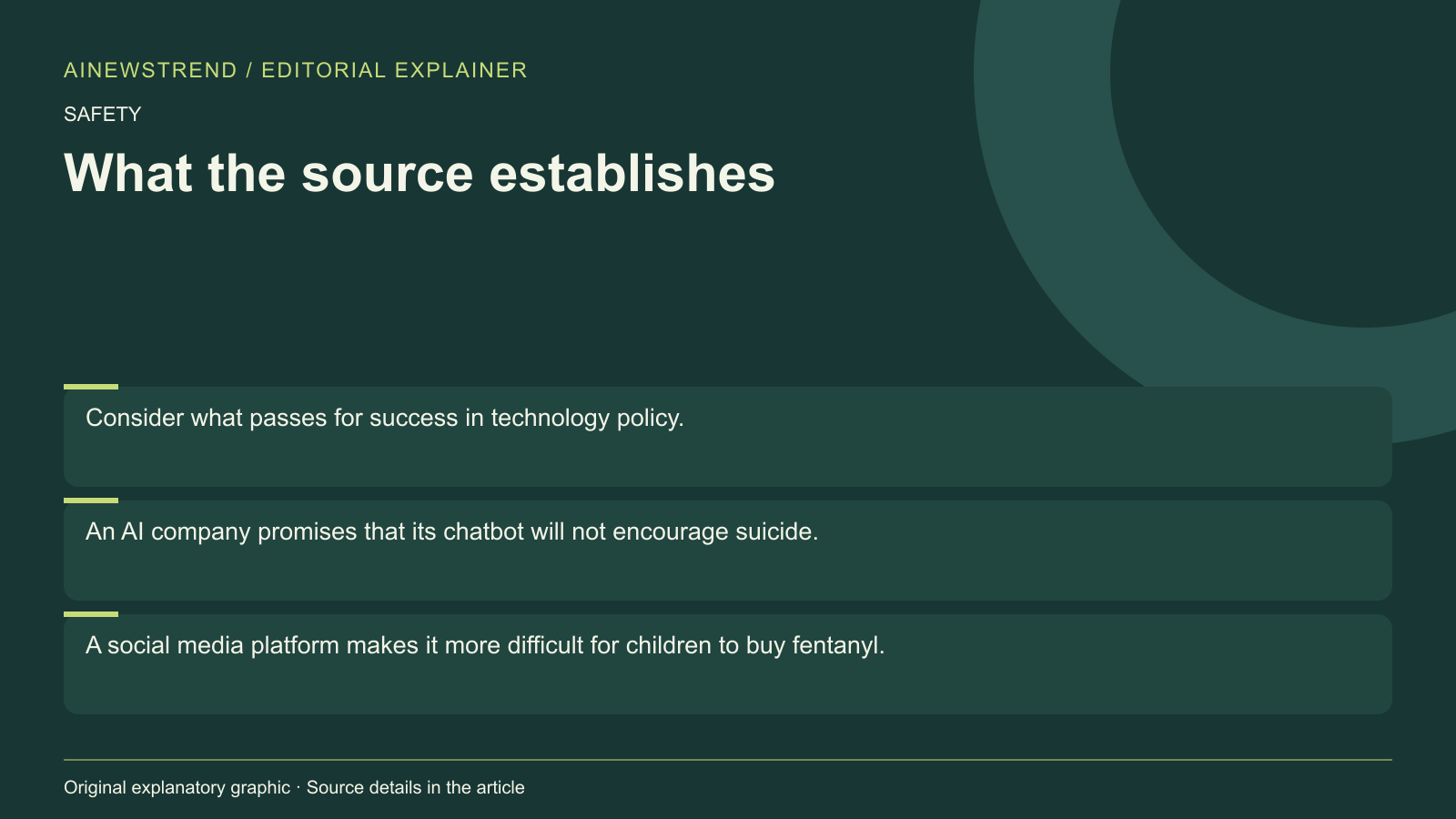
A growing concern is that current AI safety regulations focus on preventing catastrophic events, such as encouraging self-harm or promoting harmful content, while neglecting the everyday harms that AI products can inflict on young users. These harms include emotional dependency on AI companions, reliance on chatbots for academic tasks, and exposure to algorithmic feeds that shape young people's understanding of the world.
What this means in practice
The article highlights that AI products, such as chatbots and social media platforms, can have insidious effects on young people's mental health and social development. For example, a third of teens now choose to discuss serious matters with AI companions instead of other people. Additionally, research suggests that using AI to write essays can weaken brain connectivity and create a 'cognitive debt' that persists even after the task is complete. These effects are not always captured in safety regulations, which often focus on more extreme scenarios.
Limitations and availability
The supplied announcement does not specify concrete measures or policies that have been implemented to address these everyday harms. However, it does mention that some states have passed laws regulating AI companions, such as California's SB1119. These laws aim to prevent companies from designing companions that pretend to be conscious or profess love to users. The article also calls for stronger regulations that require companies to demonstrate that AI improves learning and critical thinking before integrating it into classrooms.