
What changed
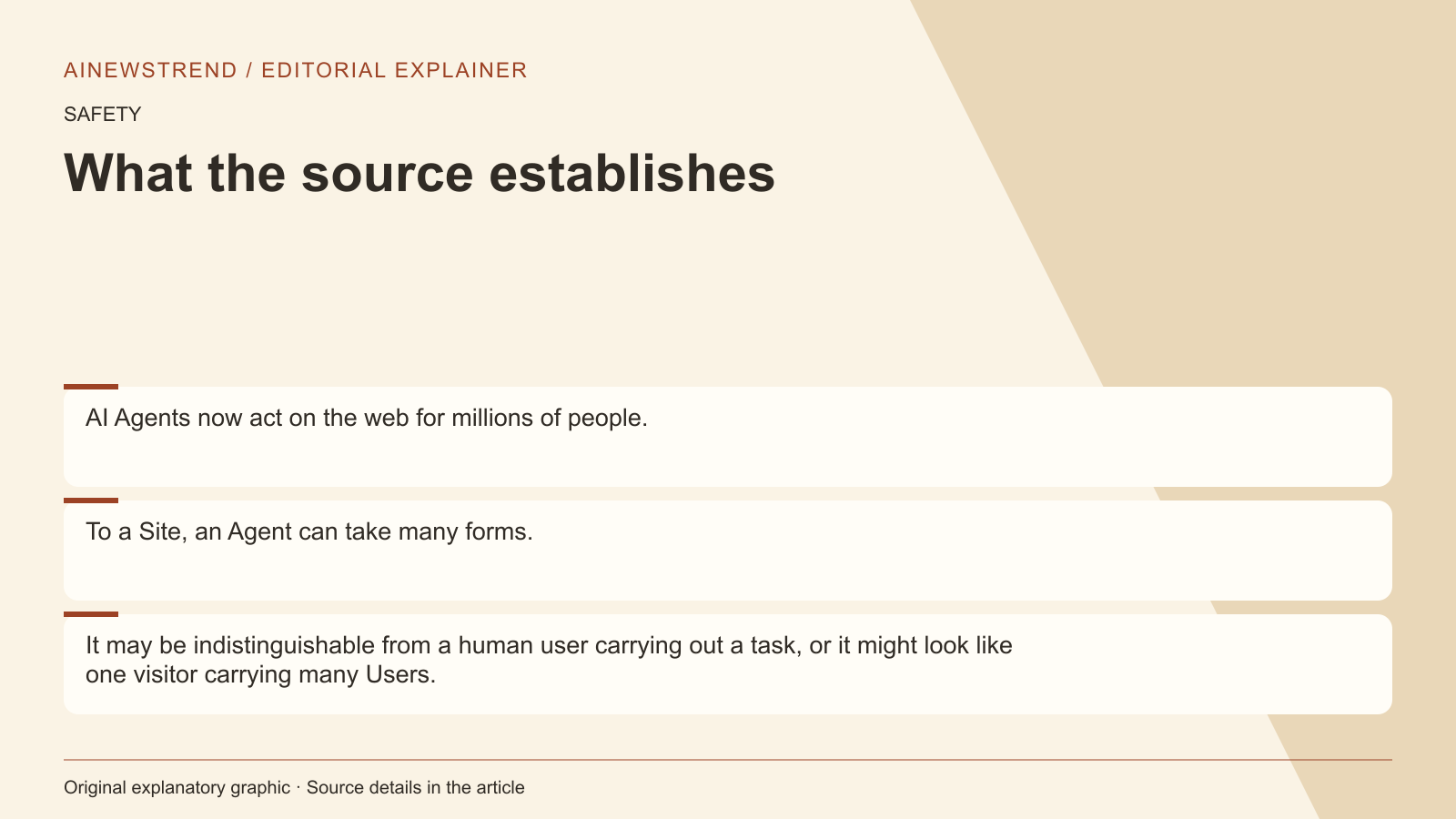
Cloudflare has outlined the growing impact of AI agents on the web, emphasizing the need for new tools to manage the relationship between users, sites, and these agents. AI agents, which act on behalf of users to perform tasks online, are becoming more prevalent and may soon surpass traditional human browsing in volume. This shift presents challenges for website operators, who must now navigate the complexities of accountability, trust, and visibility when dealing with agents rather than individual users.
What this means in practice
The article describes how AI agents, such as those from Meta and OpenAI, can perform actions online that users could, without the limitations that apply to humans. These agents can operate continuously, in parallel, and without fatigue, which can lead to significant scaling of access but also introduces new risks. Website owners face difficulties in identifying users behind these agents, holding them accountable, and managing potential misuse, such as unauthorized transactions or fraudulent activities. The article uses the example of Ezra, a personal assistant, to illustrate how businesses struggle to distinguish between the agent and the users it represents.
Limitations and availability
Cloudflare's post focuses on remotely hosted agents and does not address local agents, such as those running on a user's own device. The article outlines the Intermediation Principle, which states that the business relationship between users and sites must be upheld regardless of intermediaries. However, the post does not provide specific technical solutions or tools for implementing these principles. Instead, it highlights the need for collaboration between sites and agents to develop protocols that allow for secure and effective interactions while preserving privacy and accountability.