What changed
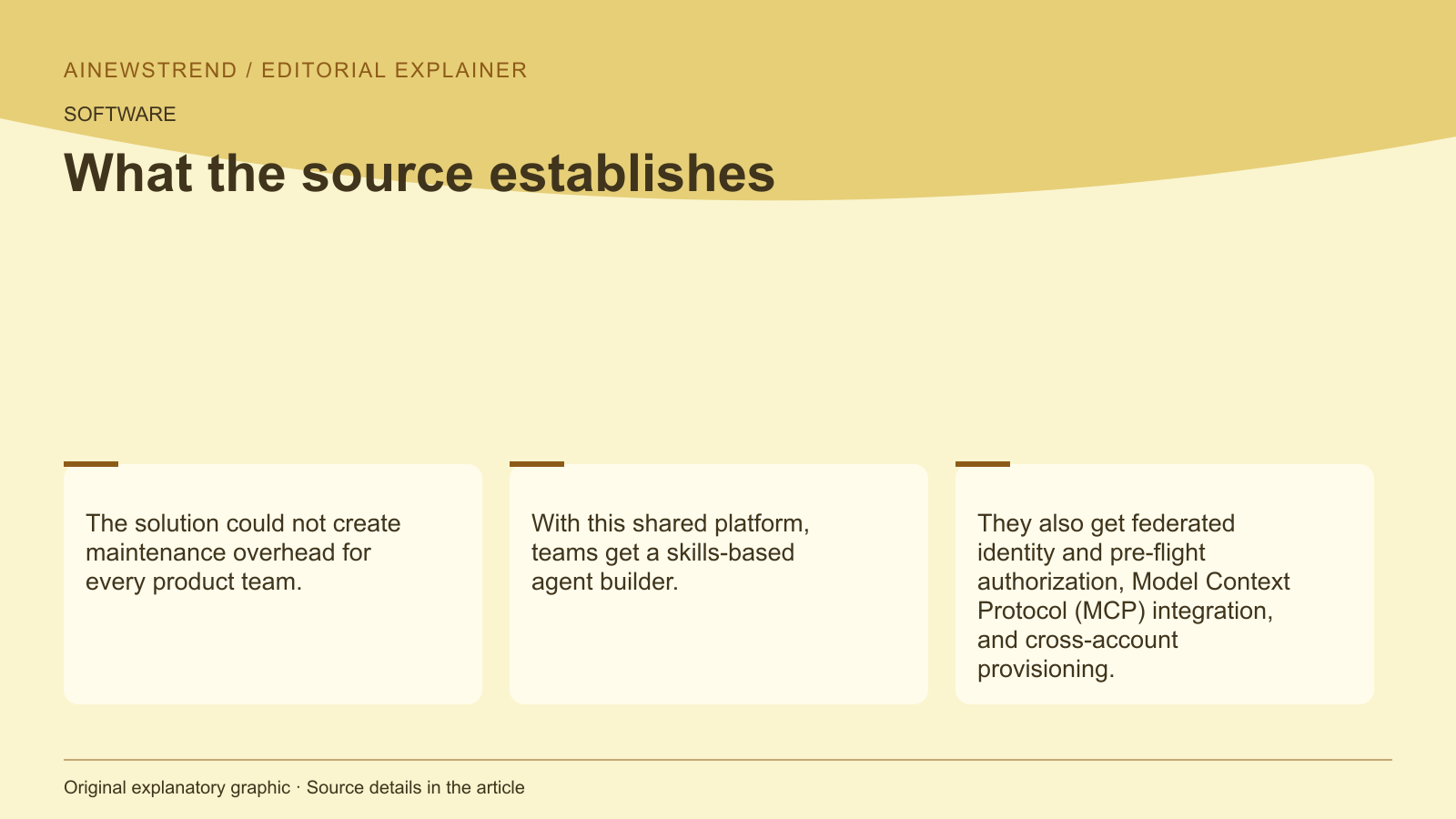
Epsilon, a data, technology, and marketing-services company under Publicis Groupe, implemented Amazon Nova Act to scale intent-driven UI testing across its product teams. The solution was designed to avoid maintenance overhead for each team while integrating with existing infrastructure.
What this means in practice
Epsilon’s Agentic Platform team built a shared infrastructure that allows product teams to use AI agents safely. With Amazon Nova Act and Amazon Bedrock AgentCore Browser Tool, teams can perform UI testing as a managed service without additional configuration. This includes capabilities like federated identity, pre-flight authorization, and cross-account provisioning. The solution layers intent-based testing on top of existing Playwright regression tests, offering natural-language test steps that are resilient to cosmetic UI changes.
Limitations and availability
The solution is available as a multi-tenant platform service, with teams consuming it through the same API surface used for other agent capabilities. The integration requires an AWS region and a target URL, with browser sessions managed by Amazon Bedrock AgentCore Browser Tool. The platform team provisions IAM roles for new teams, granting access to the ui-test-agent through the existing platform API. The supplied announcement does not specify exact performance metrics or licensing conditions for the service.