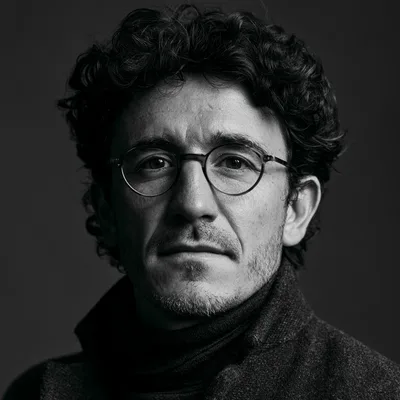

Mira Murati, CEO of Thinking Machines Lab, made her first major media appearance in 18 months during a Bloomberg interview, previewing new 'interaction models' designed to process continuous streams of audio, text, and video in 200-millisecond intervals. The interview came as the company, which has operated largely in the background for over a year and a half, seeks to increase its visibility in a crowded AI landscape. Thinking Machines has been raising capital, hiring researchers, and shipping one product, Tinker, an API for fine-tuning open-source AI models. Murati used the appearance to preview what she called 'interaction models,' a fundamentally different kind of AI interface compared to the turn-based, prompt-and-response dynamic that defines most AI products today.
The models are designed to capture the texture of human communication, including interruptions, mid-thought corrections, and pauses to think, in something closer to real time. However, Murati was careful to frame the development as a first step rather than a finished product and declined to provide a specific release date. She also addressed the chaotic week in November 2023 when OpenAI’s board fired Sam Altman and she became interim CEO, referring to it internally as 'the blip.' Murati said she felt clear about her decisions, emphasizing that protecting the mission and the team was the through-line that made her choices feel obvious despite the turmoil.
Murati acknowledged that clarity of intent is not the same as clarity about consequences. In retrospect, she said she would have pushed harder for more information, a better transition plan, and more transparency. She also discussed the departures of several high-profile researchers from Thinking Machines, attributing them to the compressed timeline of building a frontier AI lab from scratch and the competitive nature of the industry. She downplayed the role of compensation in these departures, suggesting it is not usually the whole story.
Source: techcrunch


