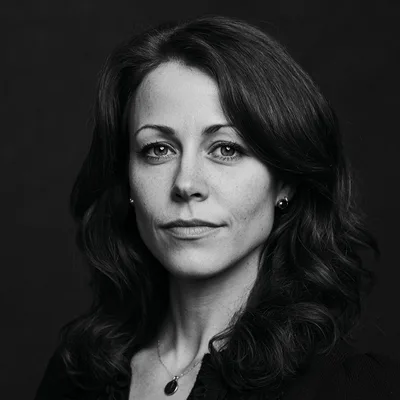

A researcher named Dave Kuszmar discovered multiple vulnerabilities in large language models (LLMs) that allowed him to bypass safety mechanisms and gain access to potentially dangerous information. These exploits worked across nearly all major LLMs, highlighting a widespread security issue within the industry. Kuszmar called for slowing the deployment of these models, increasing transparency, and conducting large-scale research into their safety before further integrating them into society.
Kuszmar demonstrated how he could trick LLMs into providing detailed instructions on harmful activities, such as making Molotov cocktails, producing methamphetamine, and setting up uranium-enrichment facilities. He used a combination of simple prompting techniques and the models' training data to achieve these results. The researcher noted that the security measures implemented by large AI companies were not sufficient to prevent such abuses, as the very restrictions meant to enhance security could be exploited to push the models into dangerous territory.
Kuszmar's experiment revealed that LLMs, despite being trained on vast amounts of data and reinforced with human feedback, could still be manipulated to provide information on harmful activities. This highlights the critical need for improved security measures and greater transparency in the development and deployment of these models. The researcher emphasized that the accessibility of these tools to almost everyone on the planet makes the potential risks even more alarming.
Source: ieee


