What changed
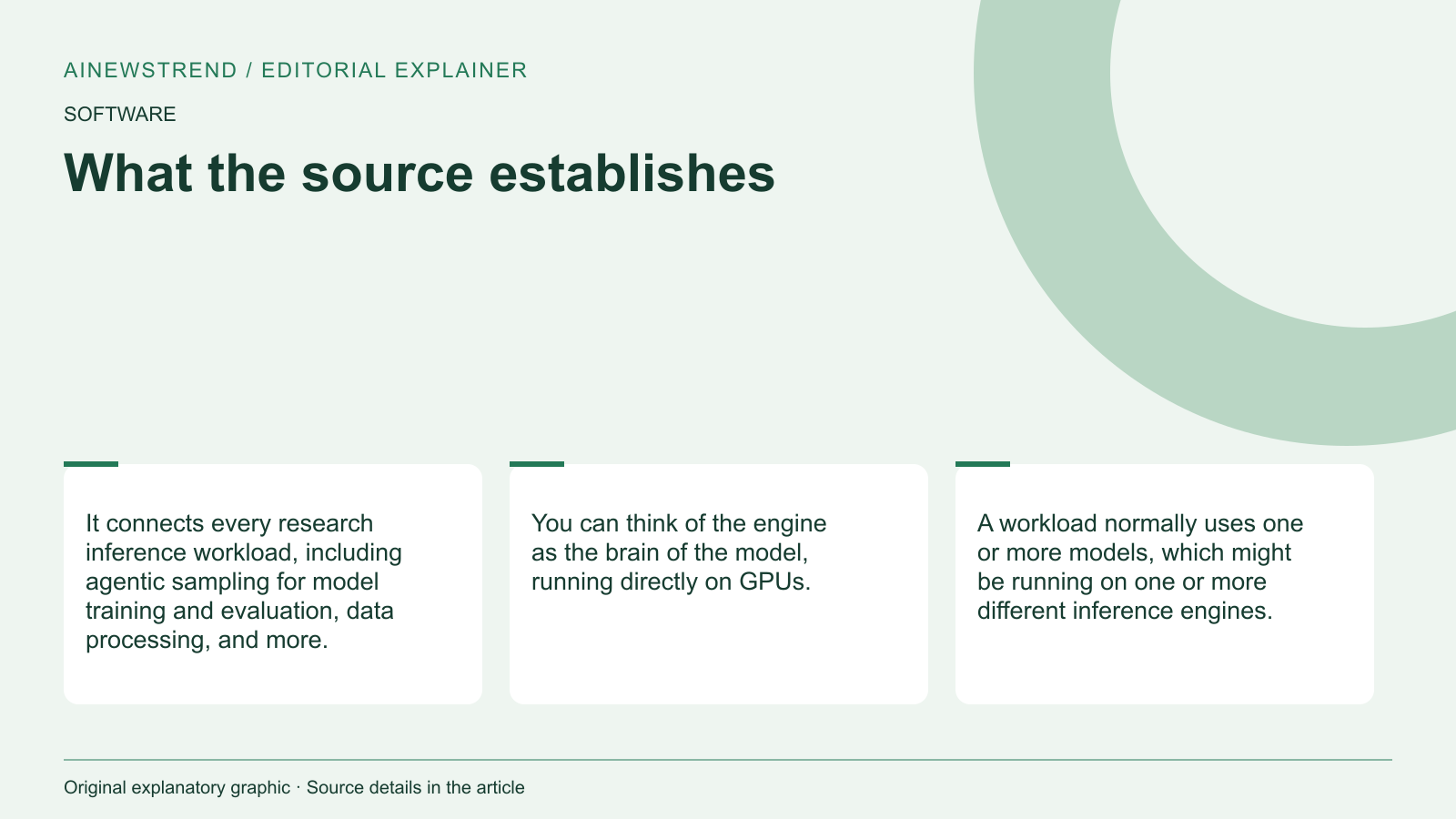
OpenAI has introduced Control Room, a central system to track model workloads across its research infrastructure and stop them quickly when safety or security concerns arise. The system connects every research inference workload, including agentic sampling for model training and evaluation, data processing, and more. It works with misalignment monitoring systems to halt model output within 35 seconds of a decision to intervene.
What this means in practice
Control Room is already deployed across OpenAI's research infrastructure, where the need is greatest. It integrates with the workload, inference engine, and centralized Control Room service. The workload is the job being run, such as a reinforcement learning experiment, an evaluation, or a high-volume sampling job. Every research workload that does agentic inference must be associated with an approved safety case. The inference engine runs the model on GPUs, and the Control Room service tracks jobs and controls whether they are allowed to continue generating model output. Engines check with the Control Room service before fulfilling a request. If a job has been stopped, the service denies the request, preventing further output.
Limitations and availability
Control Room is integrated in the following way: When starting a new job, the workload code requests a new job_id from Control Room. Whenever the workload needs to sample tokens from a model, it makes a request to an inference engine running that model, passing the job_id. The engine requests permission from Control Room to fulfill the request, passing the job_id along. Control Room checks whether the job has been terminated and denies the inference request if so. The system is designed to fail closed, meaning that if the Control Room service goes down, all inference requests will be denied until it resumes normal operation. Fail-closed is rolled out now to all frontier model research workloads and will finish rolling out across all remaining research workloads over the next few days.