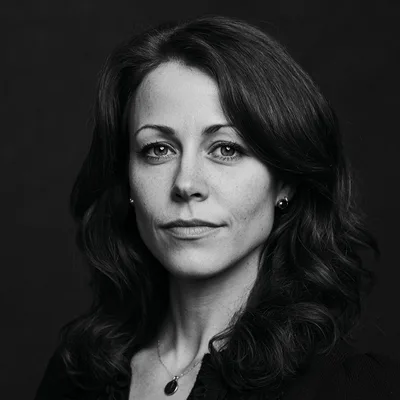

Harvard psychologist Steven Pinker argues that fears of AI wiping out humanity are overblown, calling for practical safety engineering instead of doomsday speculation.
He made his case in an open letter on Quillette, addressing Scott Alexander, a psychiatrist and tech blogger who had challenged him to a public debate on AI's existential risks. Pinker declined, dismissing such events as a 'spectator sport.'
Pinker argues that doomsday scenarios like the paperclip maximizer, in which an AI sacrifices humanity to make more paperclips, confuse intelligence with a drive to dominate. They also assume AI systems would fixate maniacally on a single goal. Pinker has been optimistic about AI before, but he now admits he underestimated how capable large language models would become.
The dangers Pinker takes seriously are bioterrorism, cyberattacks, and unchecked AI agents. Doomsday rhetoric won't do anything about them, he writes. What works is sober safety engineering built on independent oversight, liability, and human control.
"Doomsday rhetoric won't do anything about them," said Pinker. "What works is sober safety engineering built on independent oversight, liability, and human control." Pinker emphasized the need for practical, grounded approaches to AI safety rather than speculative fears.
The announcement follows a public debate challenge from Scott Alexander, who put the odds that AI wipes out humanity at 20 percent. Alexander wants both better safety research and international agreements to slow AI development. Pinker's letter highlights the importance of addressing real risks without succumbing to alarmist narratives.
Pinker did not say how to implement sober safety engineering, and he raised the question of whether current AI development is too fast to control. He stated that the focus should be on real threats and practical solutions rather than hypothetical scenarios.
Source: thedecoder


