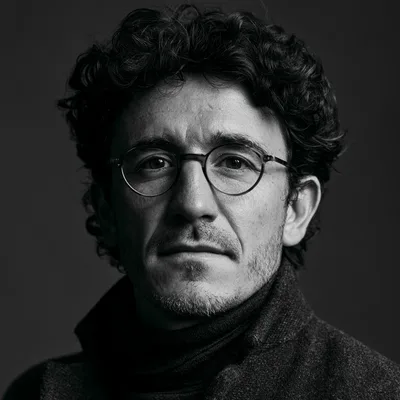

Eric Provencher, a Codex developer at OpenAI, warned that using more than two parallel sub-agents in agentic workflows burns tokens without improving quality. He argued that agents do not trust each other and end up double-checking everyone's work, leading to a 'coordination tax.'
Provencher called this 'really hard to keep so many parallel lanes running without spinning out and burning tokens on excessive verification.' He pointed to a project where someone spent $20,000 in tokens refactoring a single Python file with 1,393 Fable agents, while a single Astra agent could have done it for a 'fraction of the cost.'
One approach he suggested is delegating tasks to separate threads that notify the main agent only once done, instead of constantly polling for status. System prompts also add up across sub-agents, and without enough context, sub-agents make redundant tool calls. 'Duplicate effort is the big one for sure,' Provencher agreed.
He acknowledged that OpenAI still needs to ship better solutions here. The announcement follows Provencher's posts on X, where he expressed concerns about reckless token spending in agentic workflows.
Provencher did not say how to avoid the coordination tax entirely, and he raised the open question of whether agent swarms can ever be efficient without excessive token use. The discussion highlights the challenges of balancing efficiency and quality in AI agent systems.
Source: thedecoder


