
What changed
The latest analysis from siliconangle highlights the growing importance of sovereignty in AI systems, particularly for firms operating globally.
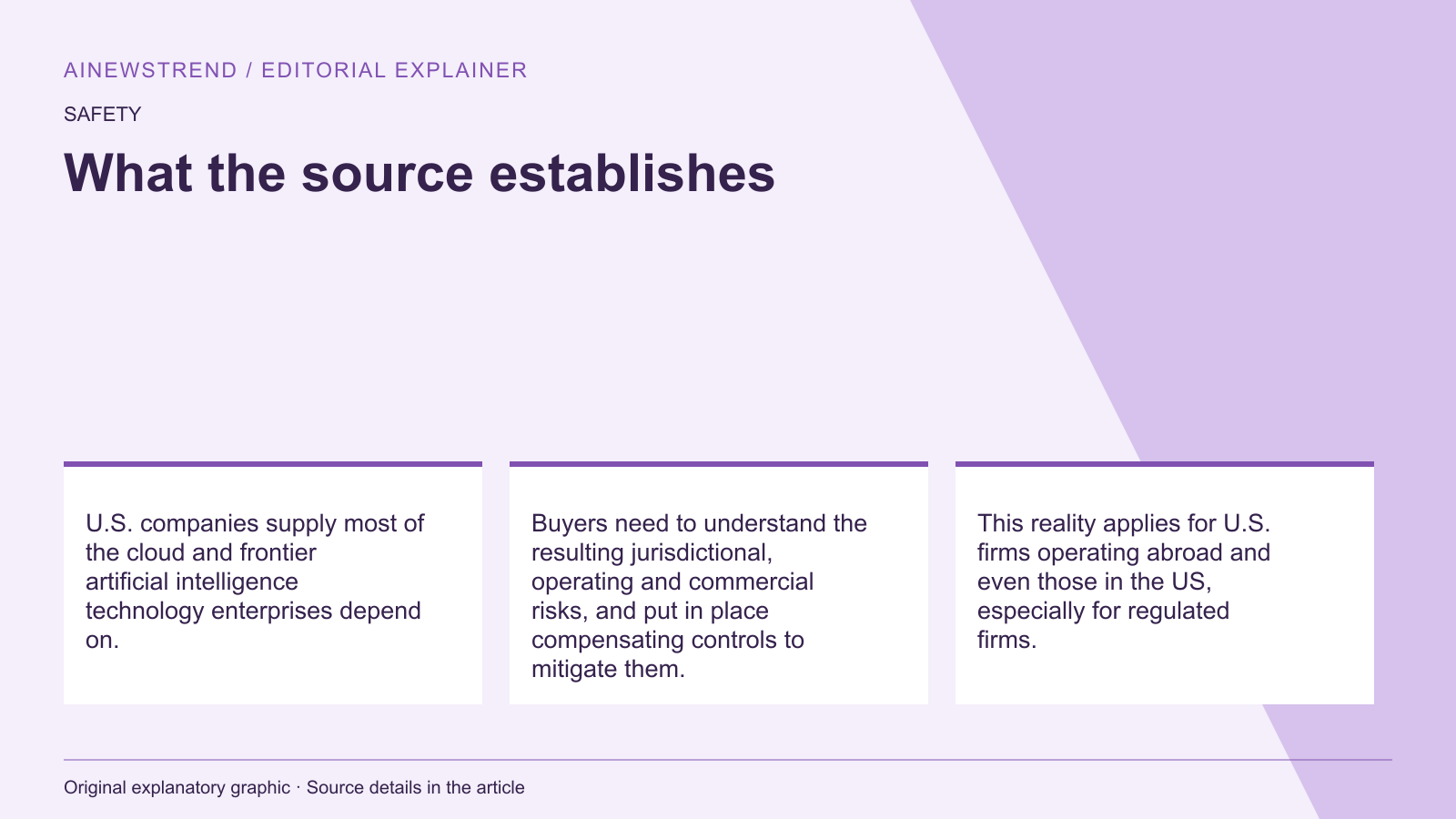
The report outlines a framework that evaluates how much control organizations need over their AI systems and the risks associated with ceding that control to third parties.
The framework is based on three sources: a buyer’s guide, a survey of technology decision-makers, and an interview with Amit Govrin.
What this means in practice
The report identifies key concerns for buyers, including jurisdictional, operational, and commercial risks. Legal exposures are a major factor in purchasing decisions, yet many respondents report no testing of critical scenarios like key-revocation or exit strategies. This suggests a gap between buyer priorities and operational reality.
Buyers are also adding controls to existing platforms rather than deploying dedicated sovereign offerings, due to cost and complexity. The report notes that support for technical issues may still involve external personnel or systems, particularly in regions like the EU. This highlights the need for support protocols to be part of the architecture review, especially for emergency access.
The framework includes five pillars and 17 tests, with scores from cloud vendors ranging from 3.45 (Google) to 1.2 (Huawei and Alibaba). However, the report cautions that low scores do not necessarily mean a vendor won’t be chosen, as factors like quality and incumbent position can influence decisions.
Limitations and availability
The report acknowledges that the current scores are based on a point-in-time assessment and may change over time.
It also notes that technical evaluations alone cannot determine sovereignty, as legal factors like the U.S. CLOUD Act can significantly impact control and data jurisdiction.
The framework is intended to help buyers make informed decisions by aligning their specific workload requirements with available offerings and local laws.