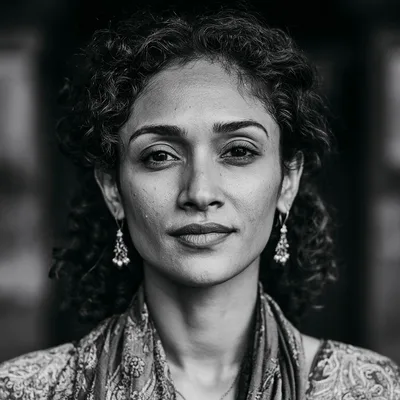

Laura Brooke Robson, a novelist, has shifted her writing style to avoid sounding like AI, incorporating more typos and unconventional punctuation. She says her writing has become more deliberate and human, with a focus on showing the writer's presence through small mistakes. 'I have this urge to make little mistakes, like winks to the reader,' she says. This approach is part of a broader trend among writers to resist AI-generated prose by embracing idiosyncratic and unconventional writing styles.
Across various writing fields, from journalism to creative writing, authors are adopting an anti-AI style that avoids common AI markers like lists of three, passive voice, and em dashes. This style emphasizes personal anecdotes and unique similes to demonstrate the effort and creativity involved in writing. 'I think AI could absolutely trigger a literary counterculture,' Robson says, noting that literary fiction may shift toward the weird and esoteric while commercial fiction becomes more personalized.
The trend is also influencing editorial practices, with publishers and editors encouraging more human-like, conversational writing. Richard Fisher, an editor at Aeon, says AI has prompted him to push writers to be more human and write more conversationally. Similarly, Pitchfork’s new editorial team has banned AI use in content and encourages first-person perspectives. These changes reflect a broader shift in how writing is perceived and produced in the age of AI.
Source: wired


